
The Ultimate List of Ready-to-Use ADHD Awareness Month Resources for K-12 Students
Supporting our neurodivergent learners is one of the most important things we do, but finding the right tools can take hours we just don't have. Because October is ADHD Awareness Month, I wanted to put together a single, go-to list of the best ADHD Awareness Month resources that you can actually use today.
I've skipped the dense research papers and focused strictly on ready-to-use tools—from printable behavior logs to inclusive read-alouds—that will immediately make your classroom or home run a little smoother.
Best Books About ADHD for Kids, Teens, and Adults
If you want to build empathy in your classroom, skip the lectures and grab a good book. When students see characters who think and learn differently, it takes away the stigma right away. It gives our neurodivergent kiddos a chance to feel seen, and teaches everyone else how to walk in someone else's shoes. These are my go-to recommendations:
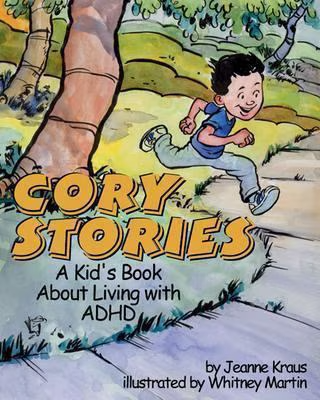
For Early Learners: Cory Stories: A Kid's Book About Living With ADHD by Jeanne Kraus is an absolute staple for elementary schoolers. It is written from the perspective of a young boy explaining how his brain works in a way that kids can easily understand.

For Middle Grades: Middle school is tough enough as it is, which is why I love Focused by Alyson Gerber. It gives such an authentic, relatable look at a middle schooler who is trying to navigate a new ADHD diagnosis while balancing friends, sports, and schoolwork. It’s a highly engaging story that really resonates with kids in that age group.
For High Schoolers: If you teach older students, check out my list of 15 Inspiring Novels about Students with Special Needs to find great fiction featuring characters with ADHD, autism spectrum disorder, and other neurodivergent traits.
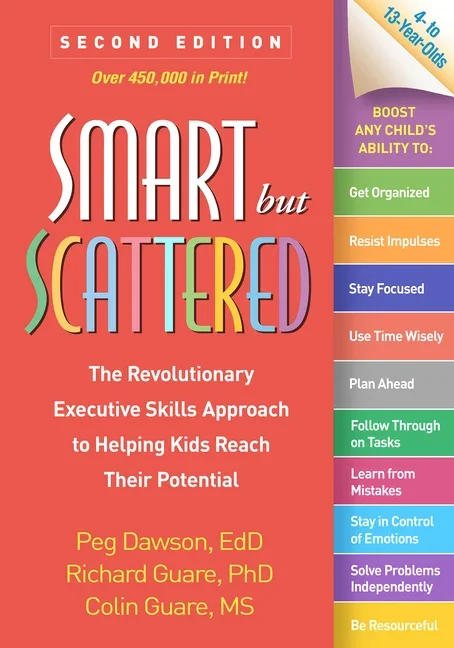
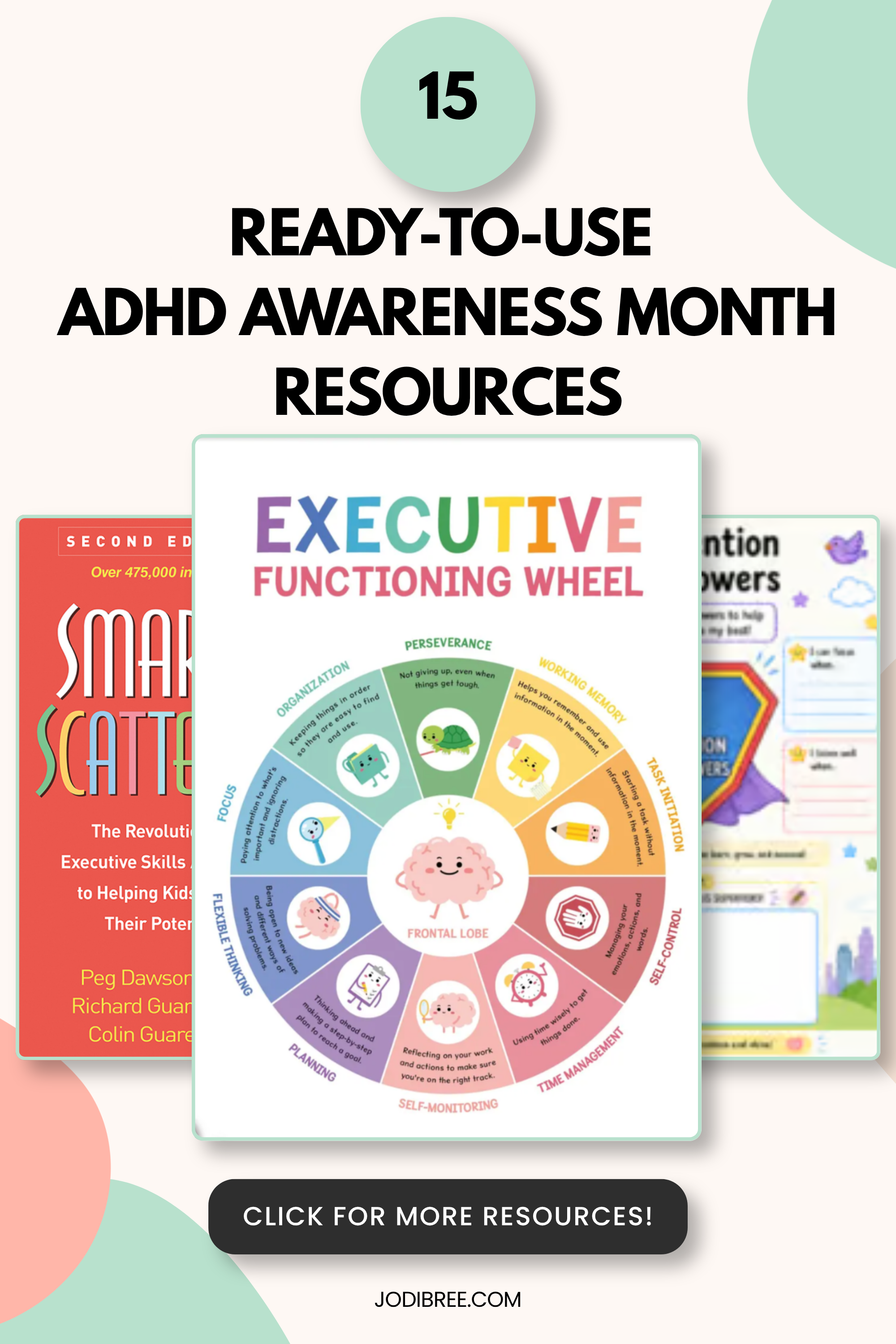
For Teachers and Parents: We can’t forget about ourselves! If you are an educator or parent trying to figure out how to actually help kids build better daily habits, you need to grab a copy of Smart but Scattered by Peg Dawson and Richard Guare. It’s honestly the ultimate practical guide for teaching executive functioning routines. It skips the dense medical jargon and gets right to the actionable strategies you can start using right away to support your kids.
Printable ADHD Behavior Trackers and Charts
If there is one thing I hear constantly from both special educators and parents, it’s that we desperately need simple data collection. Nobody has the time or energy to navigate a complicated, multi-page spreadsheet at the end of an exhausting day. We just need print-and-go tools that give us clear information without eating up our entire prep period.
Here are a few of my favorite printable ADHD behavior trackers and charts that actually make tracking manageable:
Etsy ADHD Routine Cards and Visual Schedules: If you want a visual system that works just as well for older students or even adults as it does for younger kids, you have to check out these ADHD routine cards and visual schedules on Etsy. Instead of staring down an overwhelming checklist, these printable cards help break daily tasks and transitions down into bite-sized, manageable pieces. It’s a fantastic, low-prep tool for building independent executive functioning skills whether you're using it in a classroom, an office, or at home.
Evident K12’s Printable ADHD Behavior Charts: If you need behavior tracking templates that go beyond a basic log and actually fit into an IEP or MTSS framework, check out Evident K12’s free printable ADHD behavior charts. Their resource hub includes a great variety of templates tailored specifically for neurodivergent learners, including period check-ins, task-initiation trackers, self-monitoring sheets, middle school check-ins, self-monitoring rubrics, and behavior contracts with measurable goals already written out. It's a fantastic, practical stop if you want print-and-go data sheets that help you spot patterns without adding hours to your weekly prep.
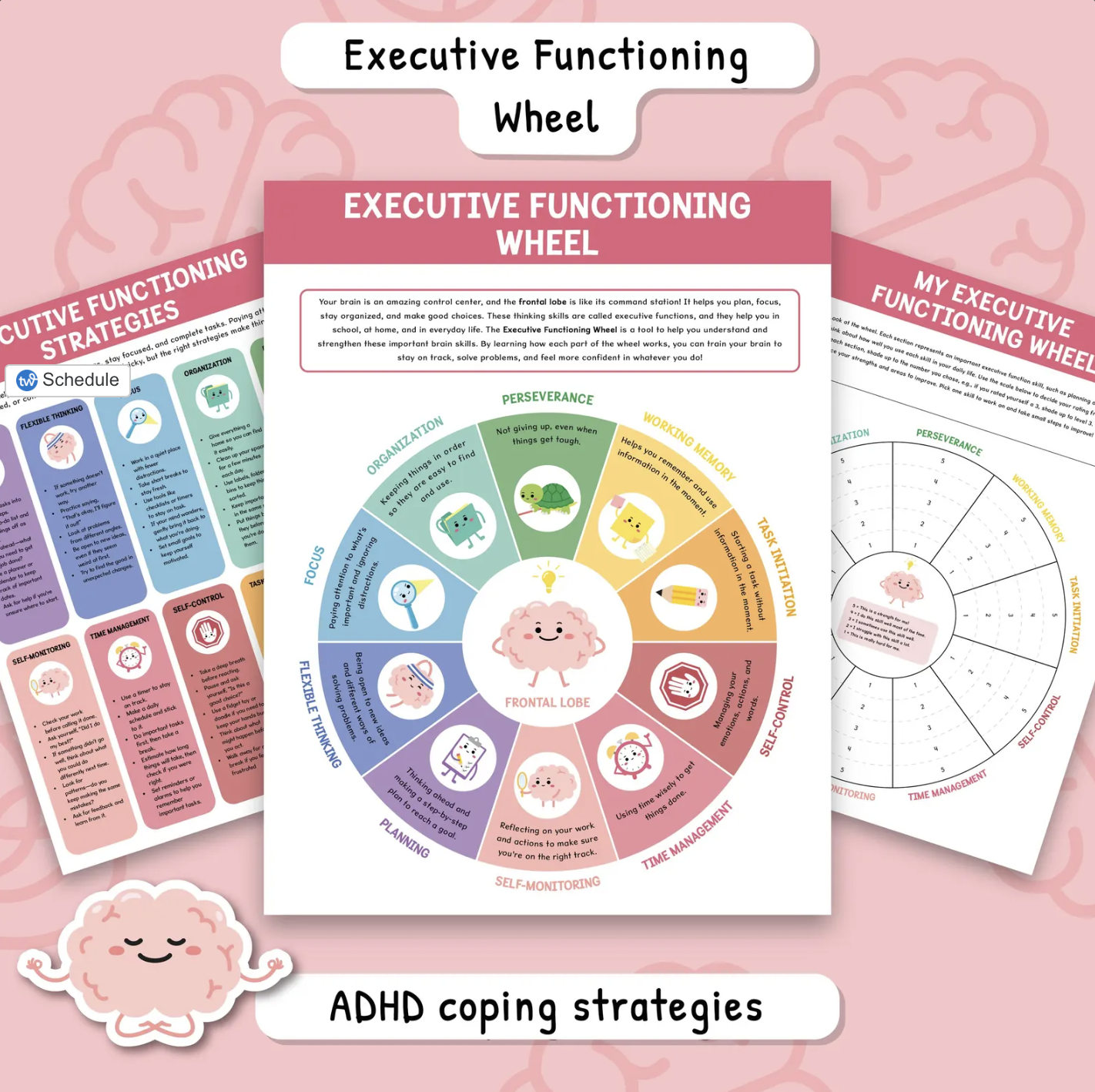
ADHD Executive Functioning for Kids: For younger kids—or any student who completely shuts down during transitions and multi-step tasks—visual schedules are a total game-changer. I love pointing people toward a comprehensive ADHD executive functioning and visual schedule bundle on Etsy, which gives you ready-to-print tools designed to take the guesswork out of daily routines. Putting a visual schedule right on a student's desk drastically reduces the working memory demands for ADHD brains so they don't have to hold onto a string of verbal directions. If you want to dive deeper into setting these up effectively across your classroom, be sure to check out my full post on Visual Schedules for Special Education.
ADHD Classroom Accommodations and Executive Functioning Tools
Let's talk about your physical classroom setup and how we can help kids actually organize their thoughts. Sometimes, a few strategic physical environment adjustments and the right executive functioning tools are all it takes to turn a chaotic morning into a highly productive day for a student with ADHD. Here are a few organizational lifesavers and accommodation guides I absolutely swear by:
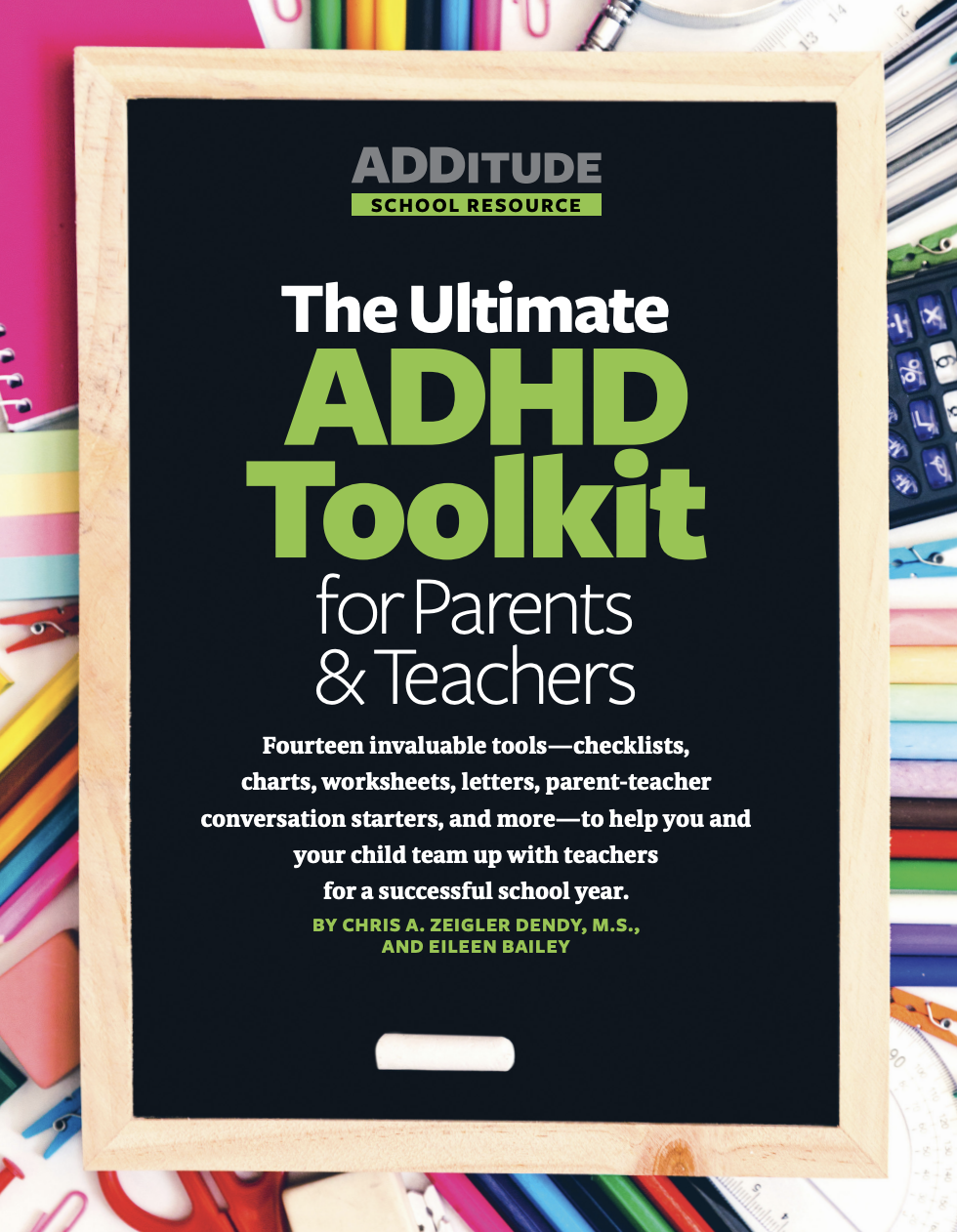
The Ultimate ADHD Toolkit (Kelty Mental Health): If you need a comprehensive, free guide that breaks down everything from understanding symptoms to practical school supports, you’ll want to bookmark The Ultimate ADHD Toolkit. It’s an incredible PDF resource packed with evidence-based strategies, clear explanations, and actionable tools that make planning accommodations feel completely manageable instead of overwhelming.
Dr. Sensory Movement Break Cards: Because ADHD brains frequently crave movement to reset and refocus, having a structured set of physical breaks on hand is an absolute sanity saver. I love utilizing resources like Dr. Sensory’s movement break cards for teachers. Instead of trying to reinvent the wheel when a student starts bouncing out of their seat or losing focus, you can pull a quick, guided card—like a heavy work exercise, desk yoga, or a wall push-up. It gives hyperactive students the physical reset they desperately need right at their desk without disrupting the rest of the class or adding to your prep list.
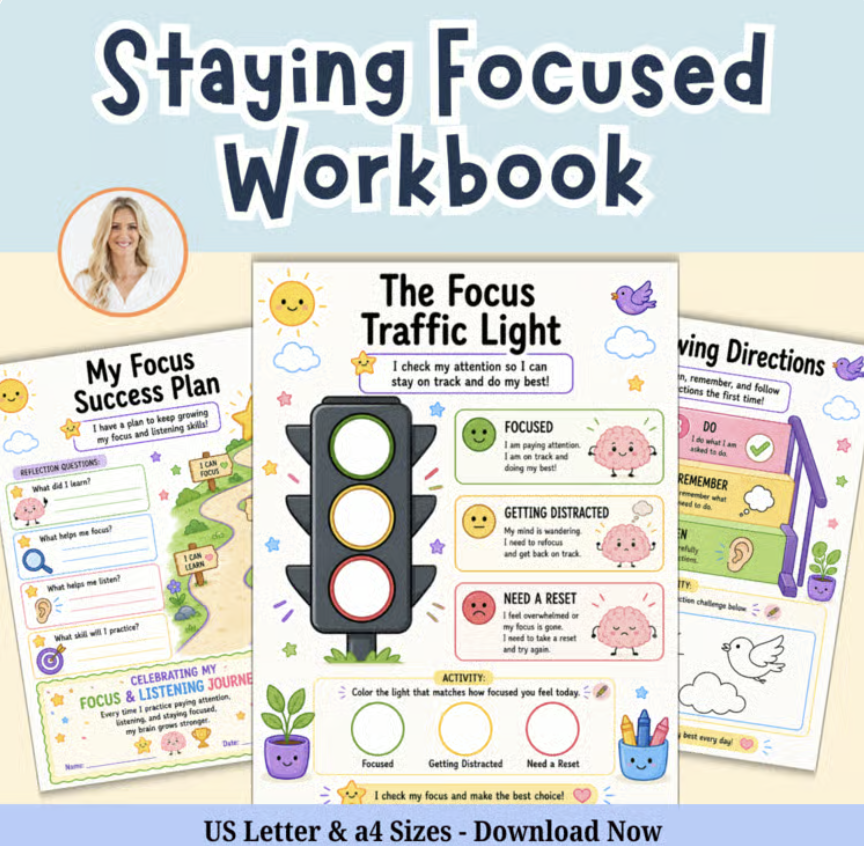
TPT Staying Focused Worksheets and Brain Breaks: If you need ready-to-print resources that combine executive functioning support with quick reset activities, check out these Staying Focused Worksheets and Brain Breaks on Teachers Pay Teachers. It’s packed with engaging, low-prep pages designed to help students refocus, break down tasks, and manage their energy levels throughout the school day without adding any extra prep to your plate.
ADHD IEP Goals and Student Self-Advocacy
As special educators, we pour hours into writing the perfect ADHD IEP goals and accommodations. But let's be honest: if the student doesn't understand what those goals actually mean, we are missing a huge piece of the puzzle. Empowering a student to understand their own goals is just as important as the accommodations themselves. By encouraging and empowering students to advocate for themselves, they can become more independent, confident, and successful learners.
Here are a few tools to help both you and your students navigate the IEP process:
Life Skills Advocate’s 40 ADHD IEP Goals Guide: If you are trying to write measurable goals that actually target core executive functioning challenges—rather than generic behavior standards—you will want to bookmark Life Skills Advocate’s guide to 40 ADHD IEP Goals. It is packed with realistic, practical examples broken down by focus areas like attention, task initiation, impulse control, and organization. It’s a wonderful resource to pull from when you want to draft custom, data-driven goals that truly help your neurodivergent students succeed.
Lighthouse Therapy’s ADHD IEP Goal Bank and Guide: If you need some fresh wording for your upcoming paperwork, take a look at Lighthouse Therapy’s ADHD IEP Goals and Strategies Guide. It’s a super helpful online resource featuring practical SMART goal examples tailored specifically for ADHD, breaking everything down by attention, impulse control, executive functioning, and behavior regulation. Better yet, it pairs those goals with real classroom accommodations and tracking strategies so you can easily connect what's on paper to what actually happens in your room.
What are 5 Examples of Student Self-Advocacy?: Keep in mind that self-advocacy is a lifelong skill. If your students aren't sure how to speak up for themselves, you can share my post, “What are 5 Examples of Student Self-Advocacy?,” directly with them. It gives kids real-world examples of how to appropriately ask for accommodations, set goals, and seek clarification when they feel overwhelmed.
Bonus: Dyslexia and Learning Disabilities Awareness Month Resources
Because October is such a massive month for neurodiversity awareness, it’s also the perfect time to highlight resources for dyslexia and other learning disabilities. If you're looking for ways to build empathy and give your students a window into how different brains process information, here are a couple of fantastic tools to keep in your back pocket:

A Powerful Read-Aloud for Empathy: If you haven’t read Fish in a Tree by Lynda Mullaly Hunt yet, it needs to go straight to the top of your reading list. It is an incredible, engaging read-aloud for K-12 students that follows a young girl named Ally who hides her dyslexia. It does an amazing job of helping students build genuine empathy for peers navigating dyslexia and overlapping learning differences.
An Interactive Simulation for Adults and Kids: To truly understand what it's like to navigate reading challenges, I always recommend Understood.org’s "Through Your Child's Eyes" simulation. It is a powerful, ready-to-use digital tool that lets teachers and parents briefly experience what reading with dyslexia actually feels like. It is a total game-changer for building teacher and parent patience and perspective.
More Inclusive Literature: If you want to add even more inclusive titles to your classroom library, make sure to explore my list of 15 Inspiring Novels about Students with Special Needs. It’s packed with great recommendations that illuminate the strength, resilience, and unique spirit of neurodivergent students.
Let’s Keep in Touch: Your Next Steps for ADHD Awareness Month
Hopefully, having these resources all in one spot gives you a little breathing room this month. Between managing day-to-day classroom chaos and drowning in upcoming IEP paperwork, your plate is already overflowing.
If you want to make sure you never miss a roundup, subscribe to my email list so you can spend less time searching and more time doing what you love.
Found this post helpful? Share this article with other educators! If you liked this post, pin it to Pinterest.👇
Which of these resources are you going to implement first? Let me know in the comments below—I’d love to hear what is working for you and your students!