
The SPED Breakdown: Meaningful Autism Awareness Resources
April is tough. The weather is finally shifting, state testing is looming, and you are staring down a calendar packed with spring annual reviews and ESY planning. If you are scrambling to find meaningful ways to celebrate Autism Awareness Month in your classroom without burning out, here is your quick breakdown for the month:
Challenge of the Month: Swap out one passive general education worksheet this month for a student-led visual schedule or a neuro-affirming read-aloud that actively promotes autism acceptance and gives all learners a seat at the table.
Word of the Month: Neurodiversity-affirming — Creating environments, lesson plans, and goals that validate and support a student's natural neurological differences and communication styles rather than trying to "fix" or mask them.
Quote of the Month:

Accommodation of the Month: Non-Verbal Sensory Break Cards — A visual card placed on a student's desk or lanyard that allows them to signal the need for a sensory break or cool-down without having to process spoken language during moments of overstimulation.
Strategy of the Month: Do a 5-Minute "Visual Transition Audit." Identify your single most chaotic transition during the school day (like coming in from recess or switching to small groups). Replace your repeated verbal directions with a 3-step visual prompt strip on the board or individual desk cards. Giving students a predictable visual anchor immediately reduces transition anxiety and builds independent task initiation.
You don’t have to spend your weekends reinventing the wheel. To help you navigate this busy season, I have put together a curated collection of Autism Awareness Month resources for teachers. This round-up saves you time by offering vetted, highly accessible materials aligned with differentiated learning styles. Let's support ALL students with tools that actually work for them, without sacrificing your sanity.
Low-Prep Printables & Visual Supports
Tactile, easy-to-implement physical materials that require minimal assembly.
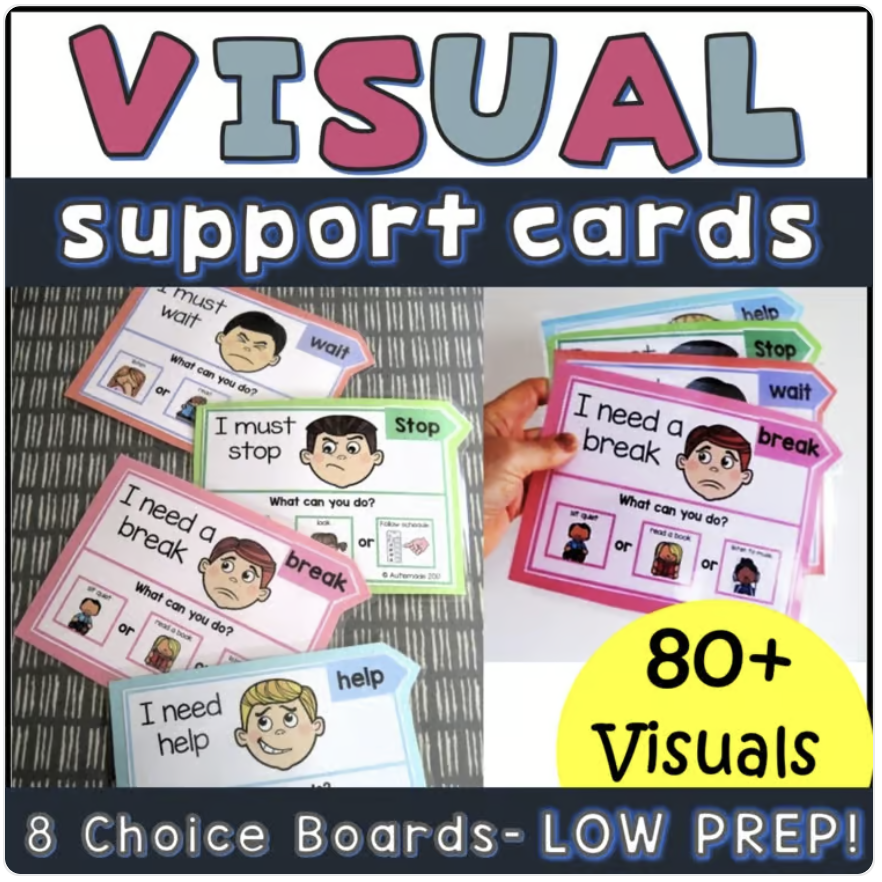
Featured Resource 1: Visual Supports Keyring Cards (Asking for Help, Break, Stop & Wait)
Format: Printable PDF (best to cut, laminate, and hole-punch)
Best For: K–5 special education, resource rooms, or any student needing non-verbal communication tools during moments of overstimulation.
Key Adaptations: 4 differentiated options, color-coordinated visuals, cards formatted for key ring use
Implementation Strategy: Clip directly onto staff lanyards, student desk loops, or teacher wristlets for instant, portable visual prompting during small groups, hallway transitions, or sensory breaks.
Find the resource here.
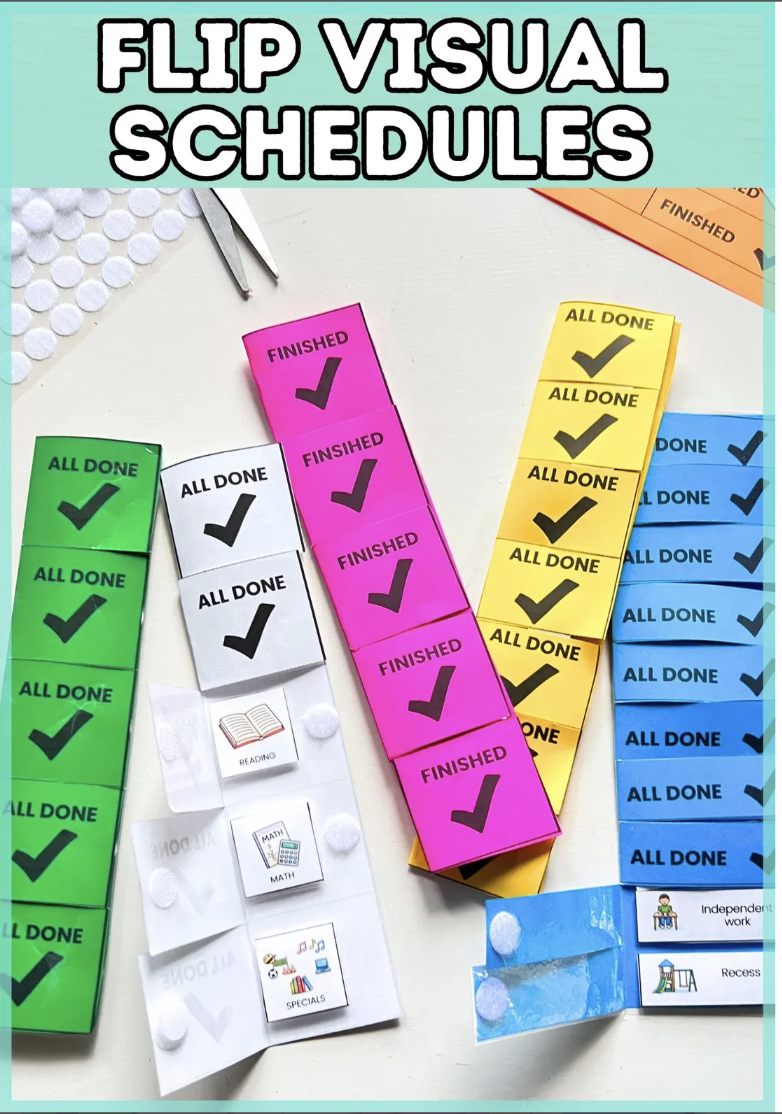
Featured Resource 2: Daily Routine Visual Schedule for Kids with Autism
Format: Printable PDF (print, cut, laminate, and Velcro) with editable Google Slides text labels
Best For: K–5 classrooms, resource rooms, or homeschool environments requiring visual structure and daily predictability.
Key Adaptations: 138 printable activity icons covering school and home routines, flexible title strips, and customizable text labels for unique classroom schedules.
Implementation Strategy: Use on your fridge, in a homework folder, at a therapy table, or on a classroom wall to reduce transition-related anxiety.
Find the resource here.
Interactive Digital & Assistive Tool
Screen-based interventions or gamified skill builders.
Featured Resource 3: WonderTree Movement & SEL Platform
Format: Online, digital browser-based platform (requires only a standard computer webcam)
Best For: A high-interest, interactive platform built for neurodivergent kids to practice emotional understanding, self-expression, and daily social skills. It creates a seamless bridge between school, home, and therapy, helping children build calmer routines and navigate everyday situations with confidence.
Key Adaptations: Sensorless, equipment-free technology (prevents sensory overload, zero-barrier accessibility (no download required), allows students to move at their own pace without overwhelming background noise or flashing visuals, motor planning & body awareness, cognitive & executive functioning, social-emotional & imitation skills, built-in IEP data & progress tracking
Implementation Strategy: Launch in a web browser during morning check-ins, center rotations, or occupational therapy sessions to keep movement routines consistent across school, home, and therapy settings.
Find the resource here.
Watch the video here.
Inclusive Children’s Literature
Provide foundational reading materials for student read-alouds.

Featured Resource 4: The Girl Who Thought in Pictures: The Story of Dr. Temple Grandin by Julia Finley Mosca
Format: Hardcover, Paperback, or eBook
Best For: K–5 whole-class read-alouds, morning meeting discussions, and peer disability acceptance lessons.
Key Adaptations: Engaging rhyming text, vibrant illustrations that depict visual thinking, and an empowering biography that celebrates neurodivergent strengths.
Implementation Strategy: Read this during April morning circles or whole-class read-alouds. Use the rhyming text and bright visuals to spark discussions about how everyone's brain processes the world differently. Use across classroom, home, and therapy settings.
Find the resource here.
Professional Educator Literature
If you pick up only one professional development text this spring, make it Dr. Barry Prizant’s Uniquely Human—it is the gold standard for shifting away from compliance-driven management and toward genuinely understanding and supporting your neurodivergent students.
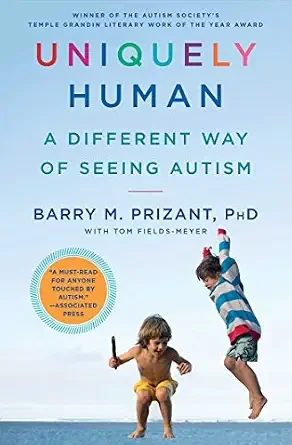
Featured Resource 5: Uniquely Human: A Different Way of Seeing Autism by Barry M Prizant PhD
Format: Book, ebook, audiobook
Best For: Special education teachers, SLPs, occupational therapists, and administrators seeking a neuro-affirming framework for classroom management.
Key Adaptations: Practical observational frameworks for decoding behavior as functional communication, identifying sensory triggers, and designing proactive environmental supports.
How to Use It: Keep on your desk as a core reference manual when drafting IEP behavior support plans, setting up sensory accommodations, or collaborating with IEP teams. Use Prizant's framework to create goals with self-regulation strategies, visual schedules, and communication supports that honor the student's unique needs.
Find the resource here.
The Wrap-Up
You don't have to spend your evenings and weekends modifying materials from scratch just to make them accessible for your neurodivergent learners. By adding a few streamlined, neuro-affirming tools to your routine, you can give your students the meaningful access they deserve while keeping your sanity intact.
Reflect & Plan: Which of these autism awareness printables, visual supports, or inclusive read-alouds aligns best with your classroom environment this month?
Take Action: Reclaim Your Spring Weekends: Building accessible systems shouldn't require working late into the night. Shop my Etsy Store today to grab done-for-you forms, checklists, and caseload organizers designed to keep your school year running smoothly.
Join the Conversation: Let's Chat! Have a favorite neuro-affirming resource or adapted tool I missed? Share your go-to classroom tools in the comments below so we can keep supporting our amazing community of educators and parents! 👇
Found this post helpful? Share this article with other educators! If you liked this post, pin it to Pinterest.👇