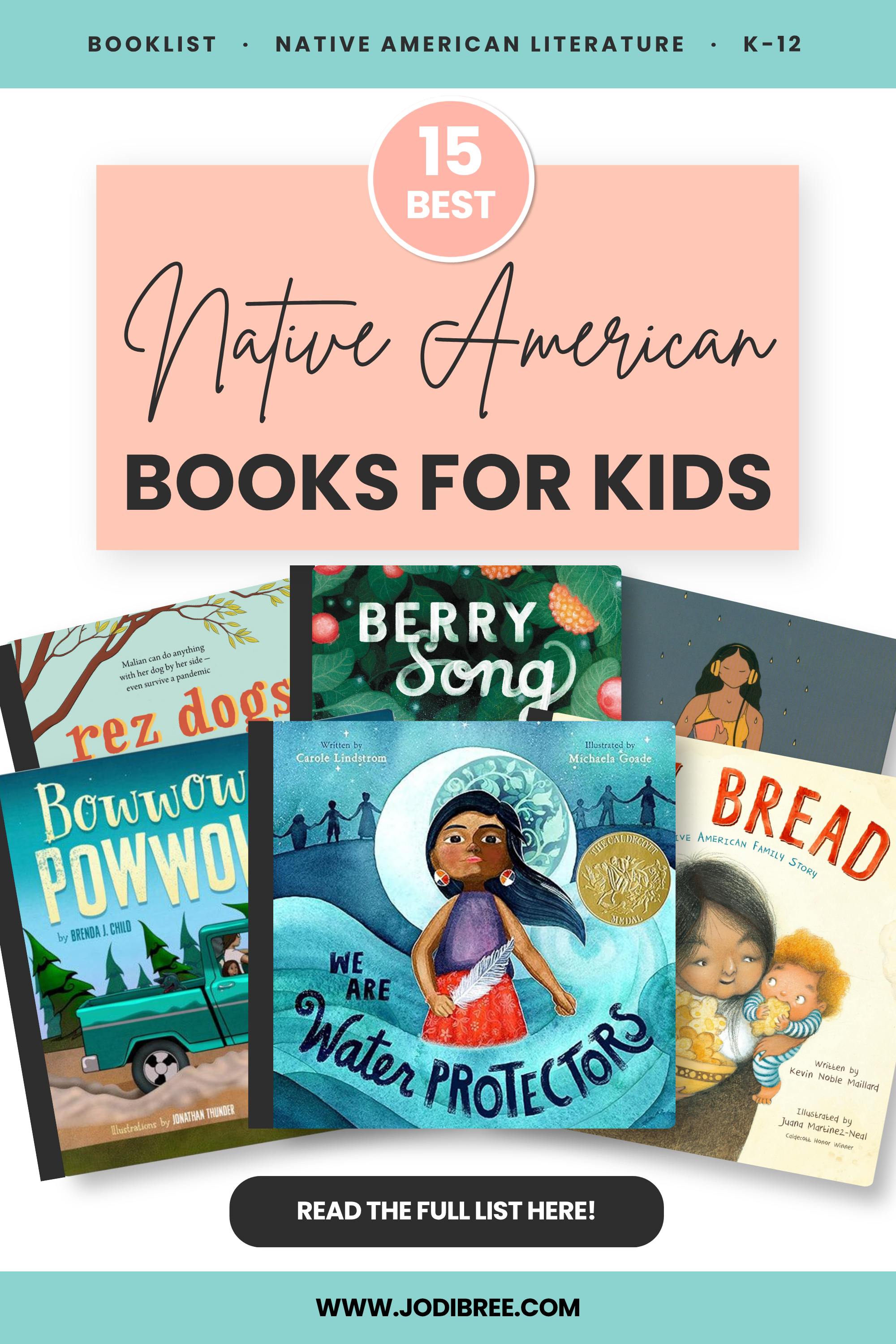
15 Native American Books for Kids (K–12) to Read for Heritage Month
The Monthly Snapshot: Ideas, Inspiration & Classroom Strategies
A monthly dose of inspiration, practical classroom supports, and fresh ideas for teachers and parents.
Challenge of the Month: You want to recognize Native American Heritage Month in a meaningful way, but finding books that are both culturally authentic and accessible for all your learners can take some digging. Some reading lists lean heavily on long texts, abstract concepts, or activities that don't account for different reading levels, developmental readiness, and learning needs. And when November is already packed with lesson plans and IEP responsibilities, the last thing you need is to spend your Sunday reworking an entire novel study just to make it work for your students!
Term of the Month: Nation-Specific Representation - Choosing books that highlight specific Native Nations and Indigenous communities rather than treating all Native peoples as one culture. Each Nation has its own history, traditions, and contemporary stories worth sharing with students.
Quote of the Month: "If it is true that all of our stories come first from the earth, then I have been blessed with good earth to listen." — Joseph Bruchac, Nulhegan Abenaki author, poet, and storyteller
Support of the Month: Visual Reading Trackers - Physical or digital tracking strips placed over text that minimize visual fatigue, anchor focus line-by-line, and support decoding endurance during longer reading blocks.
Strategy of the Month: Conduct a 10-Minute Classroom Representation Audit - Take 10 minutes this month to review one classroom library shelf, reading nook, morning meeting area, or shared display. Are different Native Nations represented? Do your books and visuals include contemporary Indigenous people, as well as historical perspectives? Are Native authors and illustrators included? Look for opportunities to expand your collection with culturally accurate resources that reflect the diversity of Native communities. Start by adding one meaningful title that fills a gap in your classroom library.
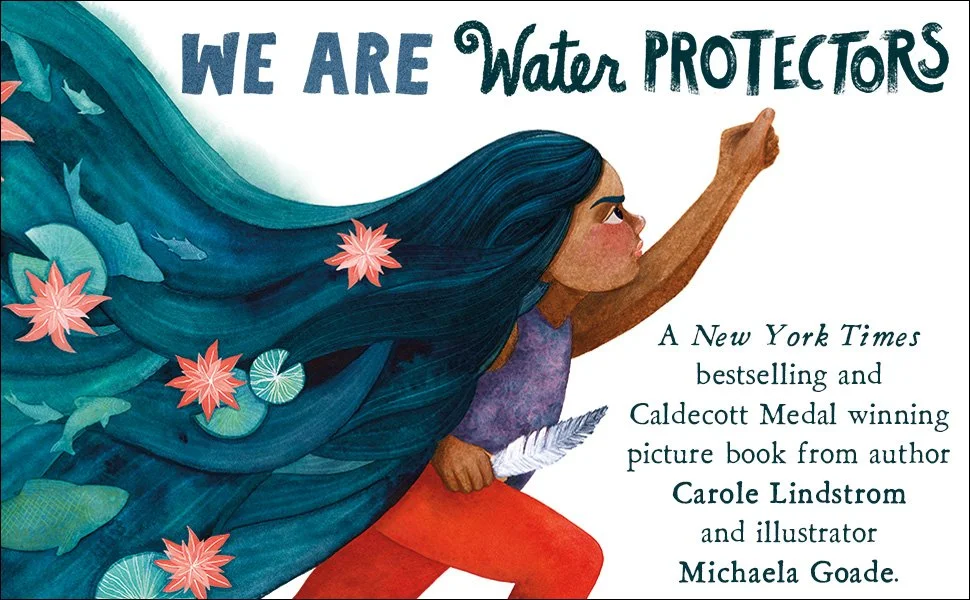
We Are Water Protectors: (Caldecott Medal Winner) by Carole Lindstrom (Author), Michaela Goade (Illustrator)
Find Native American Books for Every Learner
Finding meaningful books for Native American Heritage Month shouldn't mean spending hours searching for the right titles. I've put together 15 Native American books for K–12 students, including picture books, middle-grade reads, and books for older students. Whether you're planning a classroom read-aloud, small-group lesson, or independent reading activity, you'll find ideas to help get your students reading and learning.
Meaningful Stories That All Students Can Enjoy
We all want our students to connect with the books they read, learn about different perspectives, and see a variety of experiences represented. But finding books that are culturally authentic, age-appropriate, and accessible for students with different learning needs isn't always easy. Hopefully, this list takes some of the guesswork out of your November planning!
“I hope, for the sake of future Indigenous kids, that non-Indigenous readers are turning up for more diverse voices too.”
15 Native American Books for Kids & Teens (K–12)
Explore picture books, elementary favorites, middle-grade stories, and books for high school students.
I chose books by Native authors and creators, with a mix of stories that highlight different Native Nations and communities. You'll find books about everyday life, family, history, culture, and Native perspectives. The grade levels are just a starting point, so take a look at each book to see what feels like the best fit for your students.
Picture Books: Pre-K–2
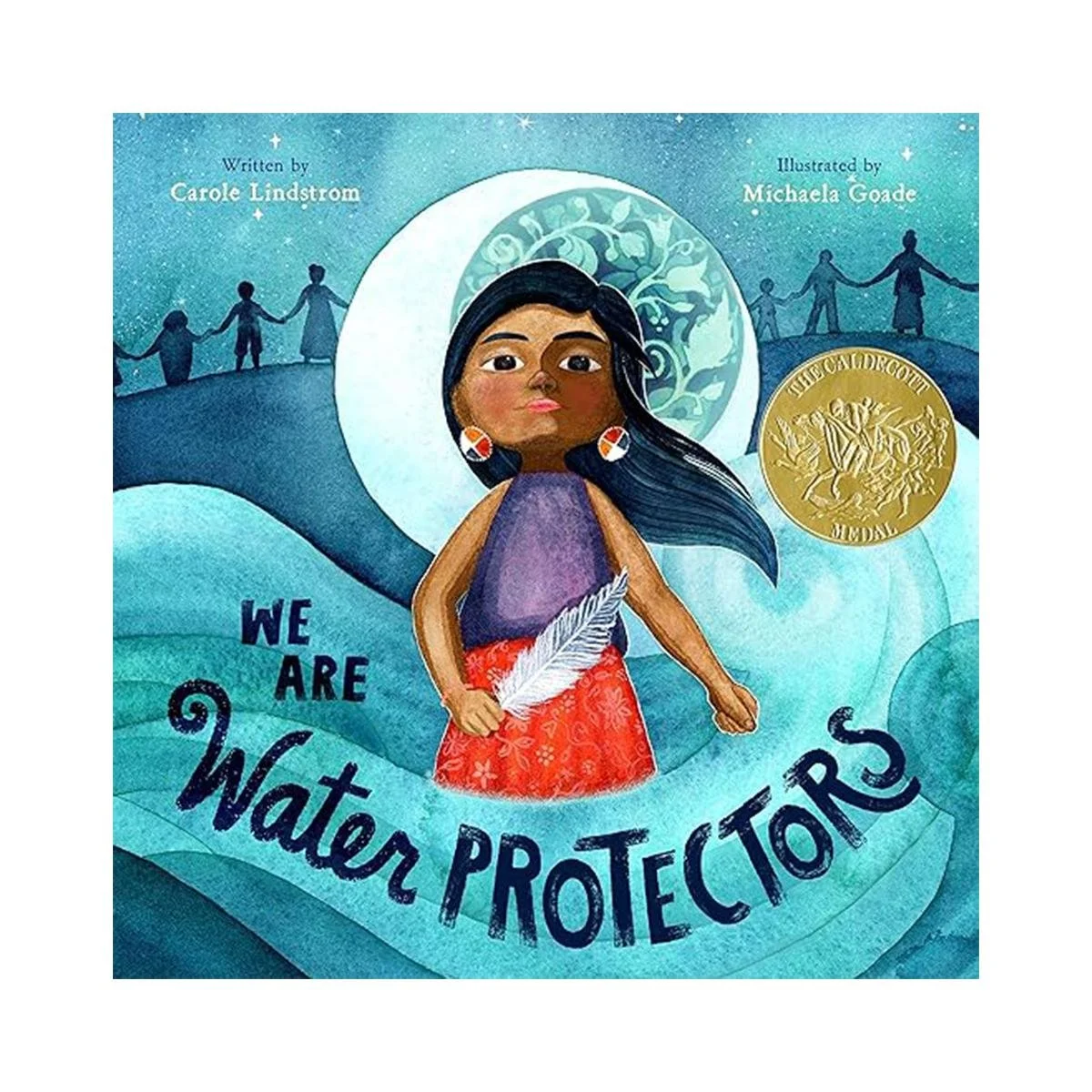
We Are Water Protectors by Carole Lindstrom, illustrated by Michaela Goade
Grades: Pre-K–3 | Picture book
A young water protector stands up to protect the earth's water, inspired by Indigenous-led environmental movements.
Try it in class: Create a classroom water-protection pledge! After reading, brainstorm simple ways to protect water, such as turning off faucets, keeping trash out of waterways, and conserving water. Have students draw, write, or select pictures showing one way they can help protect our water.
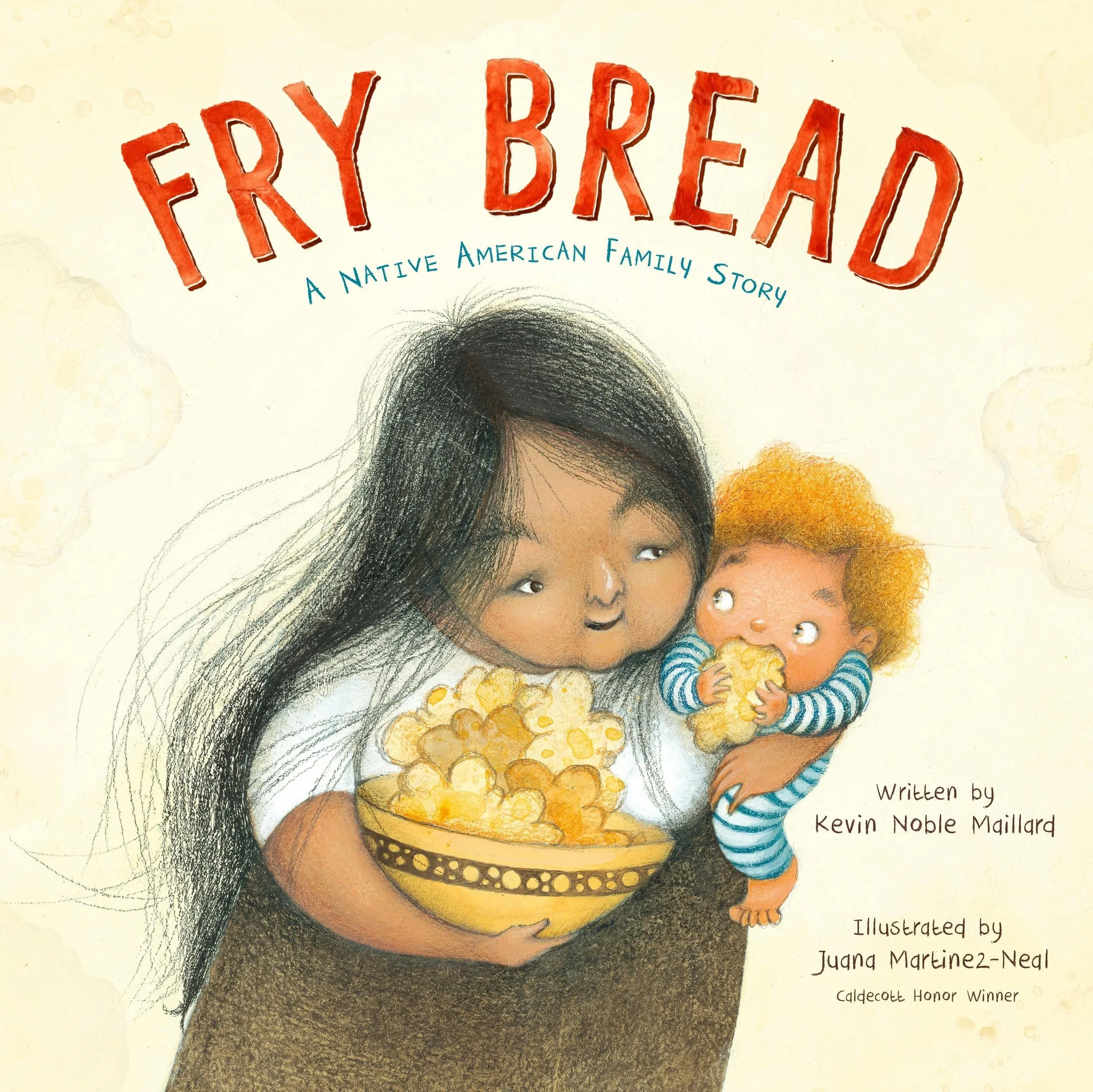
Fry Bread: A Native American Family Story by Kevin Noble Maillard, illustrated by Juana Martinez-Neal
Grades: Pre-K–2 | Picture book/nonfiction elements
A celebration of family, food, history, and Native American identity through the story of fry bread and its place in modern Native communities.
Try it in class: Create a class food traditions book! Have students draw or share a favorite food from home, then combine their pages into a classroom book celebrating the different foods and family traditions represented in your classroom.
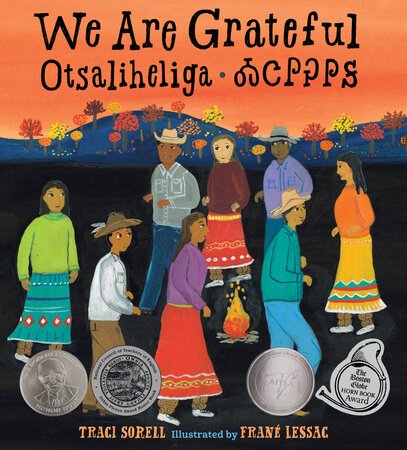
We Are Grateful: Otsaliheliga by Traci Sorell, illustrated by Frané Lessac
Grades: Pre-K–2 | Picture book/nonfiction
Follow a year of celebrations, traditions, and everyday experiences within the Cherokee Nation. Includes Cherokee vocabulary and a glossary.
Try it in class: Create a class gratitude circle. After reading, invite students to share or select something they're grateful for, such as family, friends, nature, or a favorite tradition. Students can draw a picture, use picture-choice cards, or share verbally to create a collaborative classroom gratitude display.
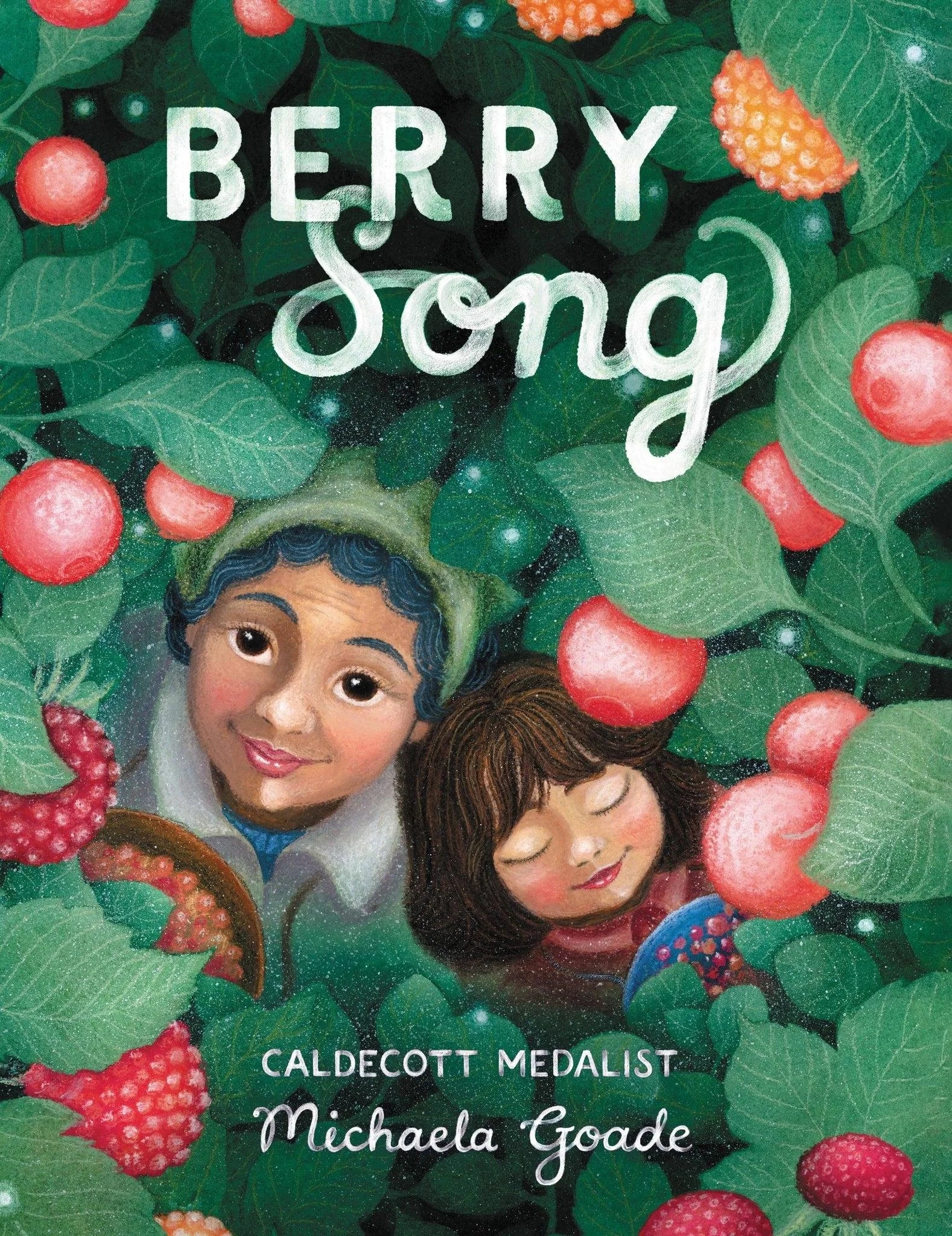
Berry Song by Michaela Goade
Grades: Pre-K–3 | Picture book
A young Tlingit girl and her grandmother gather berries throughout the seasons while learning about their relationship with the land.
Try it in class: Go on a seasonal berry hunt! After reading, invite students to explore pictures or real examples of berries and other seasonal foods. Have them sort the items by color, size, or season, then create a simple seasonal nature collage using drawings, pictures, or words. This builds observation skills, descriptive vocabulary, and connections to the natural world.
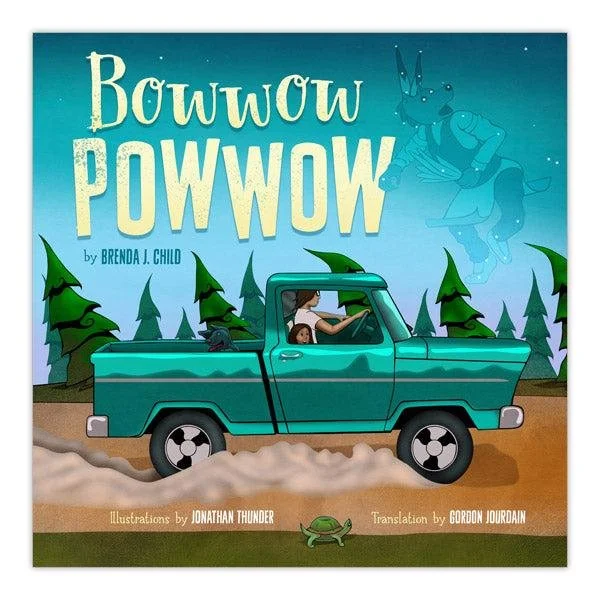
Bowwow Powwow: Bagosenjige-niimi'idim by Brenda J. Child, illustrated by Jonathan Thunder
Grades: Pre-K–2 | Bilingual picture book
Windy Girl attends a powwow with her family and imagines a special celebration where all the dancers are dogs. Includes an Ojibwe-language version.
Try it in class: Let students imagine their own animal powwow! After reading, have them choose an animal they would bring to the celebration, draw a picture, and describe how their animal might participate. Use picture choices, sentence starters, or verbal responses to support storytelling and creative expression.
Upper Elementary: Grades 2–5
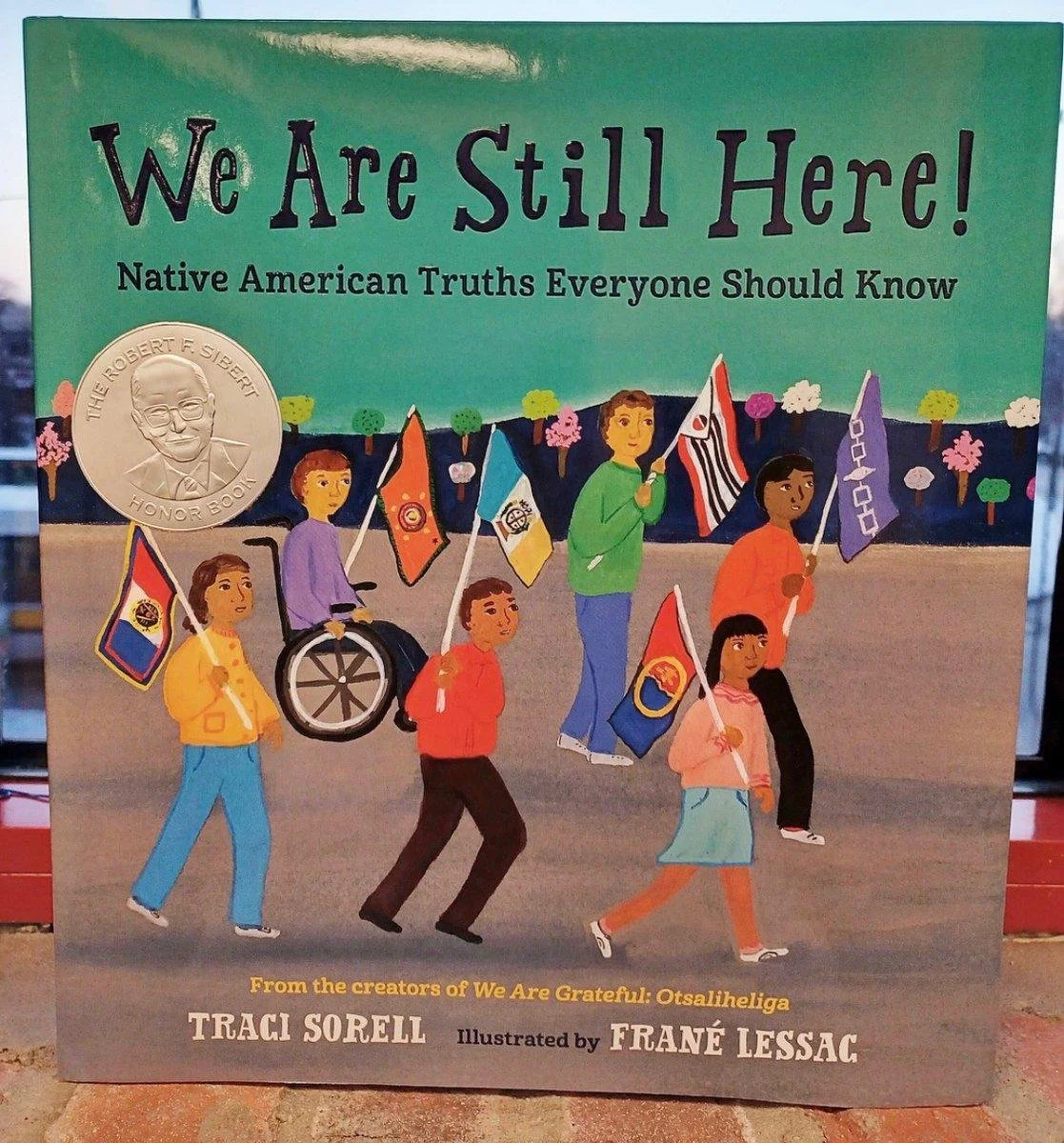
We Are Still Here! Native American Truths Everyone Should Know by Traci Sorell, illustrated by Frané Lessac
Grades: 2–5 | Informational picture book
Twelve Native American children introduce historical and contemporary topics, including tribal sovereignty, relocation, Native rights, and language revitalization.
Try it in class: Create a “Then and Now” connection! After reading, have students choose one topic from the book, such as Native languages, tribal sovereignty, or Native rights. Use picture cards or short, student-friendly facts to compare what has changed and what continues today. Students can share one thing they learned through a drawing, sentence, or verbal response.
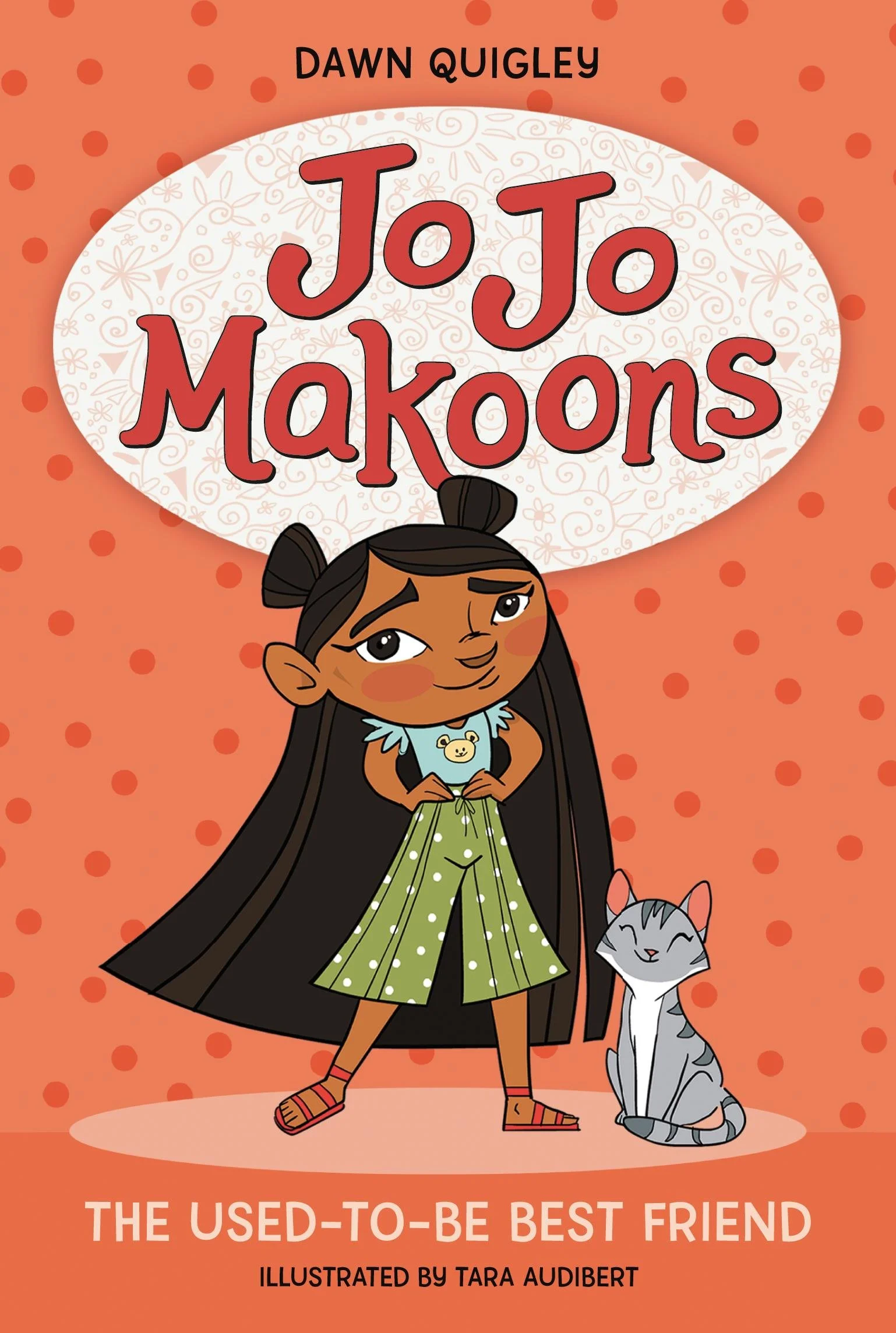
Jo Jo Makoons: The Used-to-Be Best Friend by Dawn Quigley, illustrated by Tara Audibert
Grades: 1–3 | Early chapter book
Meet Jo Jo, a funny, spirited seven-year-old Ojibwe girl navigating friendship, family, and everyday school experiences.
Try it in class: Make a friendship toolbox! After reading, talk about what makes someone a good friend and what students can do when a friendship feels tricky. Have students create a simple toolbox by drawing or choosing pictures that represent friendship skills, such as taking turns, listening, inviting someone to play, or solving a disagreement. Students can share one skill they want to practice.
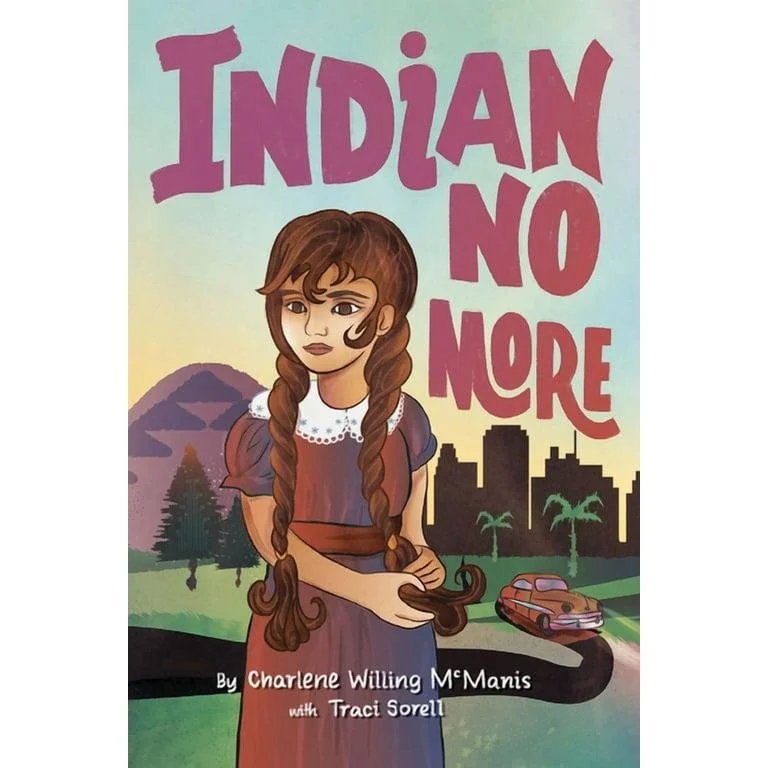
Indian No More by Charlene Willing McManis and Traci Sorell
Grades: 4–7 | Historical fiction
Regina's Umpqua family is forced to leave Oregon after the federal government terminates their tribe's recognition in the 1950s. A powerful story about identity, family, and displacement.
Try it in class: Explore how history shapes communities today! Pair the book with a historical timeline or map to help students understand the impact of termination and relocation on Native communities. Use the publisher’s teacher guide to introduce key ideas with student-friendly explanations, visuals, and discussion questions. Invite students to share one new thing they learned through a drawing, written response, or class discussion.
Middle School: Grades 4–8
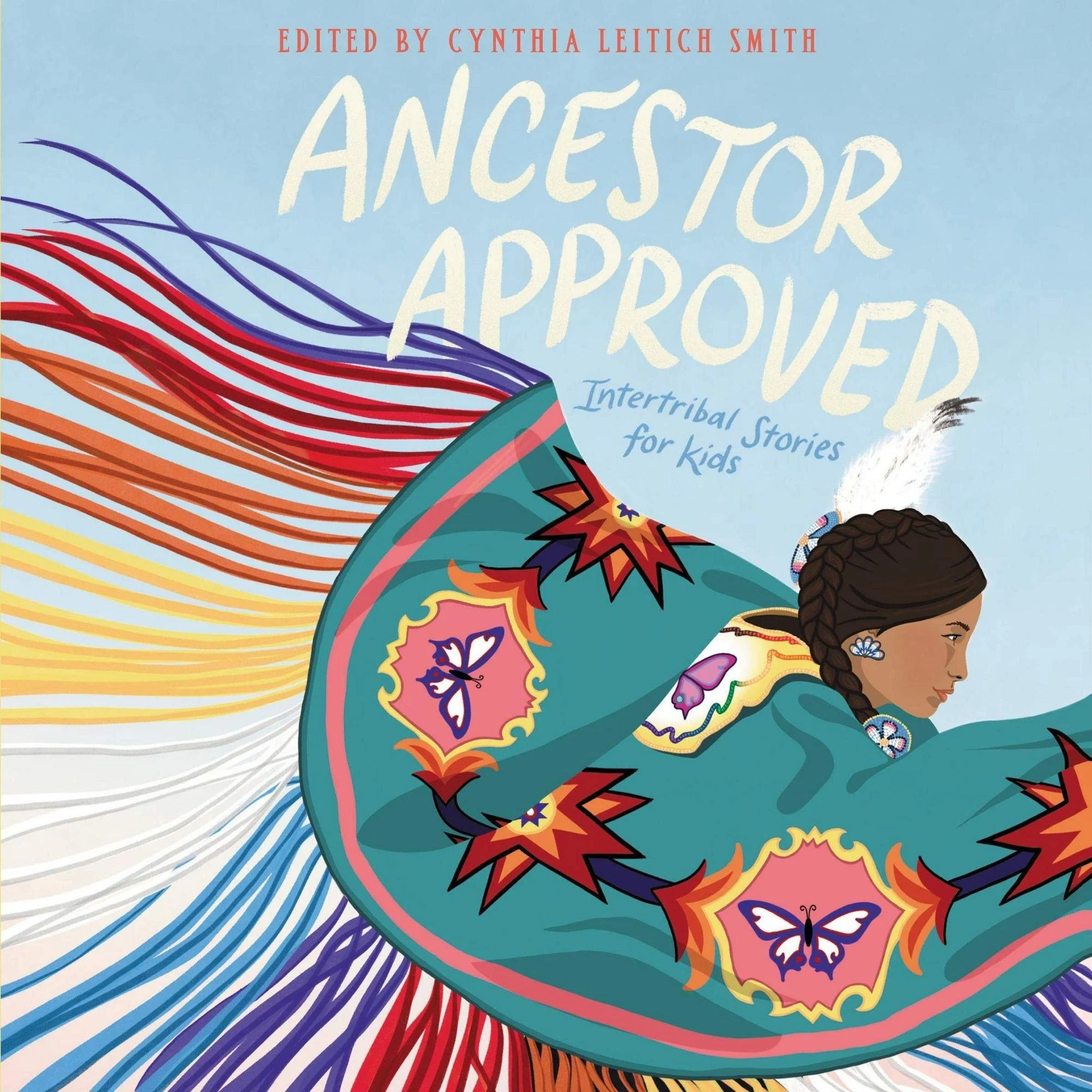
Ancestor Approved: Intertribal Stories for Kids, Edited by Cynthia Leitich Smith
Grades: 4–8 | Short story and poetry anthology
An engaging collection of interconnected stories and poems by Native writers, featuring Native families, young people, and communities gathering at an intertribal powwow.
Try it in class: Create a story connection map! After reading a story, have students identify the main character, their experiences, and an important theme or message. As you read additional stories, add to the map to compare characters, perspectives, and connections across the collection. Students can contribute with sticky notes, drawings, or written responses.
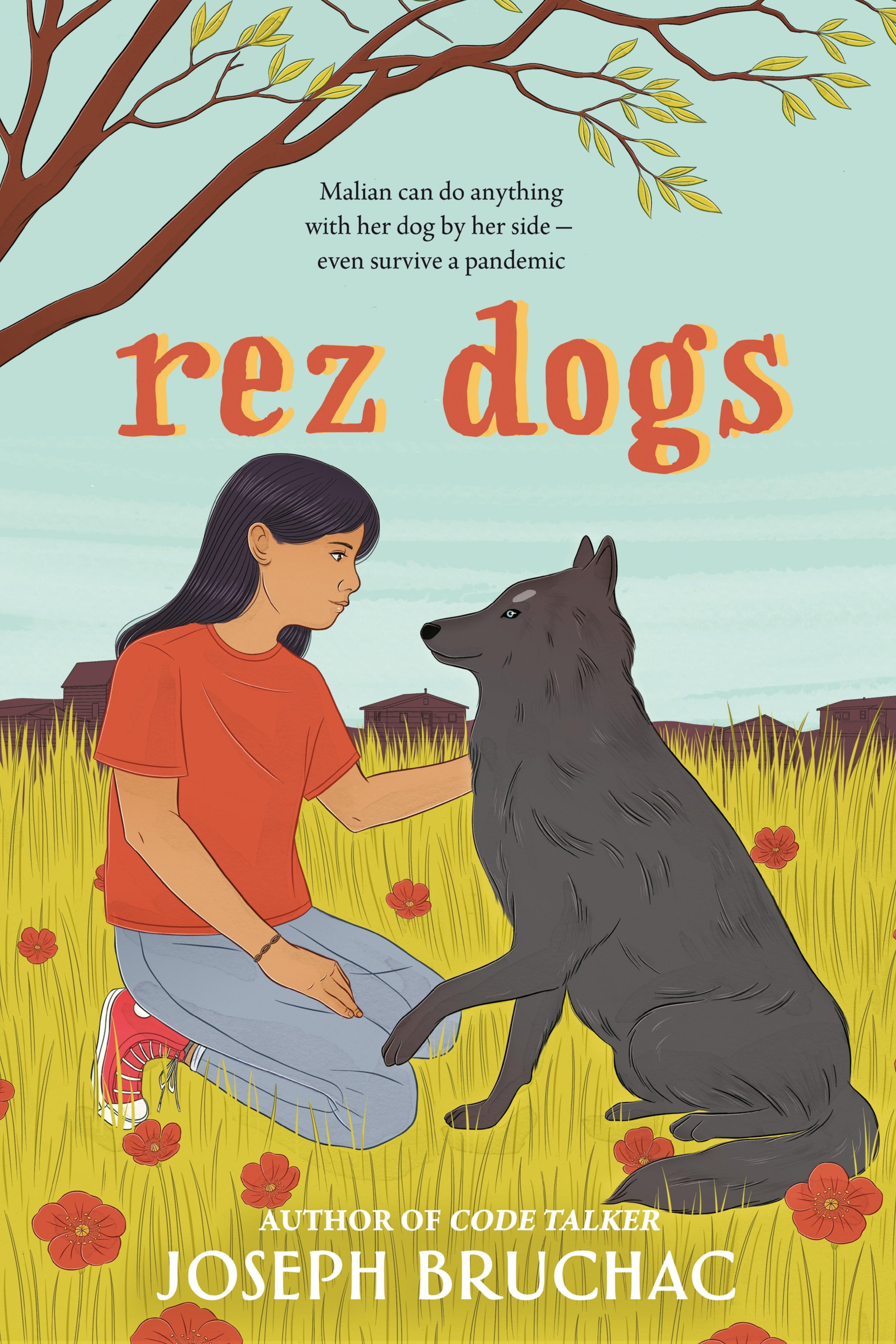
Rez Dogs by Joseph Bruchac
Grades: 3–8 | Novel in verse
During the COVID-19 pandemic, a young Wabanaki girl stays with her grandparents on the reservation and forms a special connection with a local dog.
Try it in class: The verse format creates natural stopping points for small-group reading, vocabulary exploration, and poetry discussions. Preview sensitive historical topics, including boarding
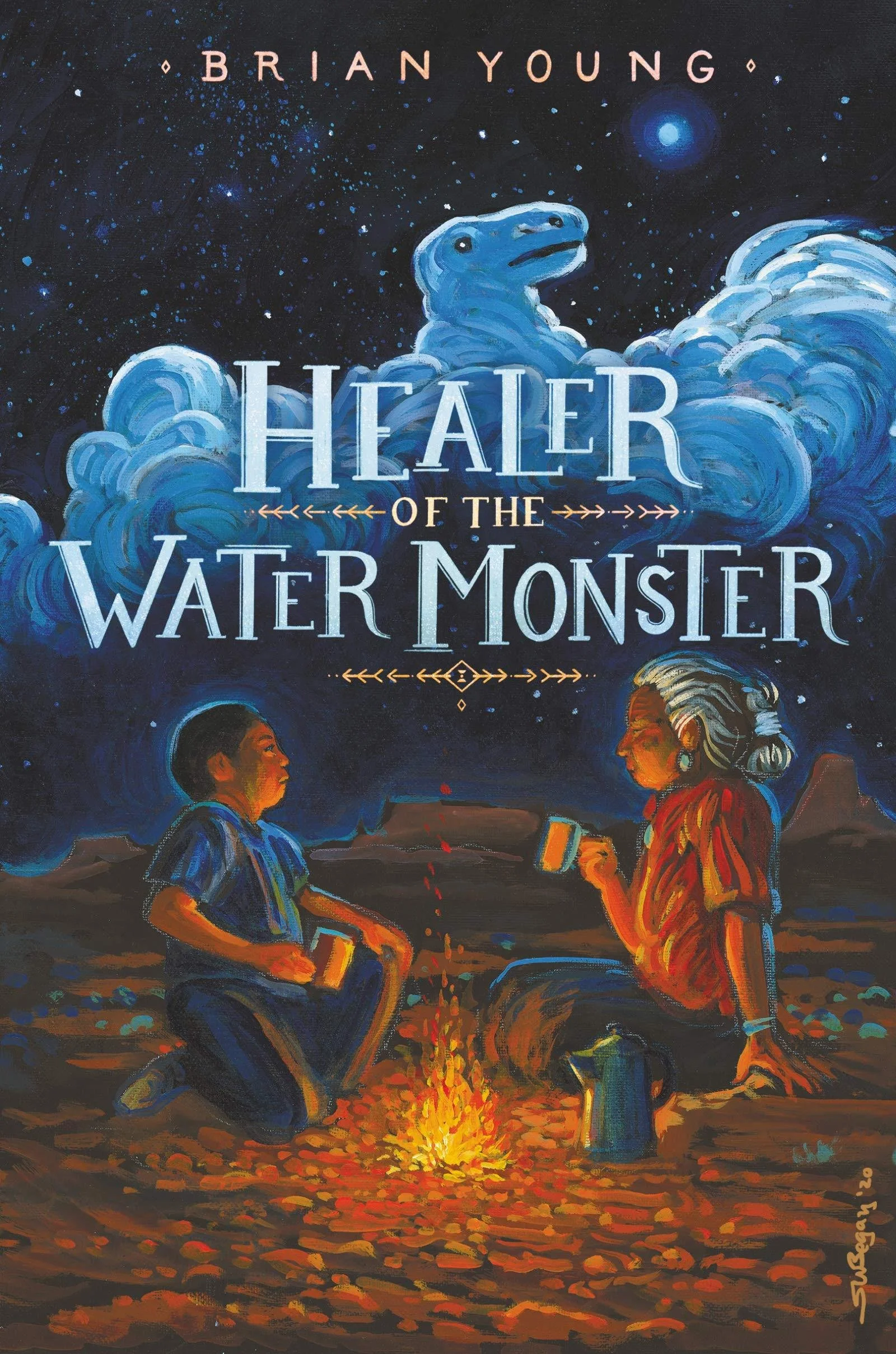
Healer of the Water Monster by Brian Young
Grades: 3–6 | Middle-grade fantasy
A young Diné boy discovers a Water Monster from the Navajo creation story and sets out to help save it while learning about family, courage, and healing.
Try it in class: Create a character-and-environment connection map. Have students track how the main character's choices, family relationships, and experiences connect to caring for and protecting water. Students can draw, write, or use picture cards to show what they learn. Provide background on Diné culture and traditions to support understanding.
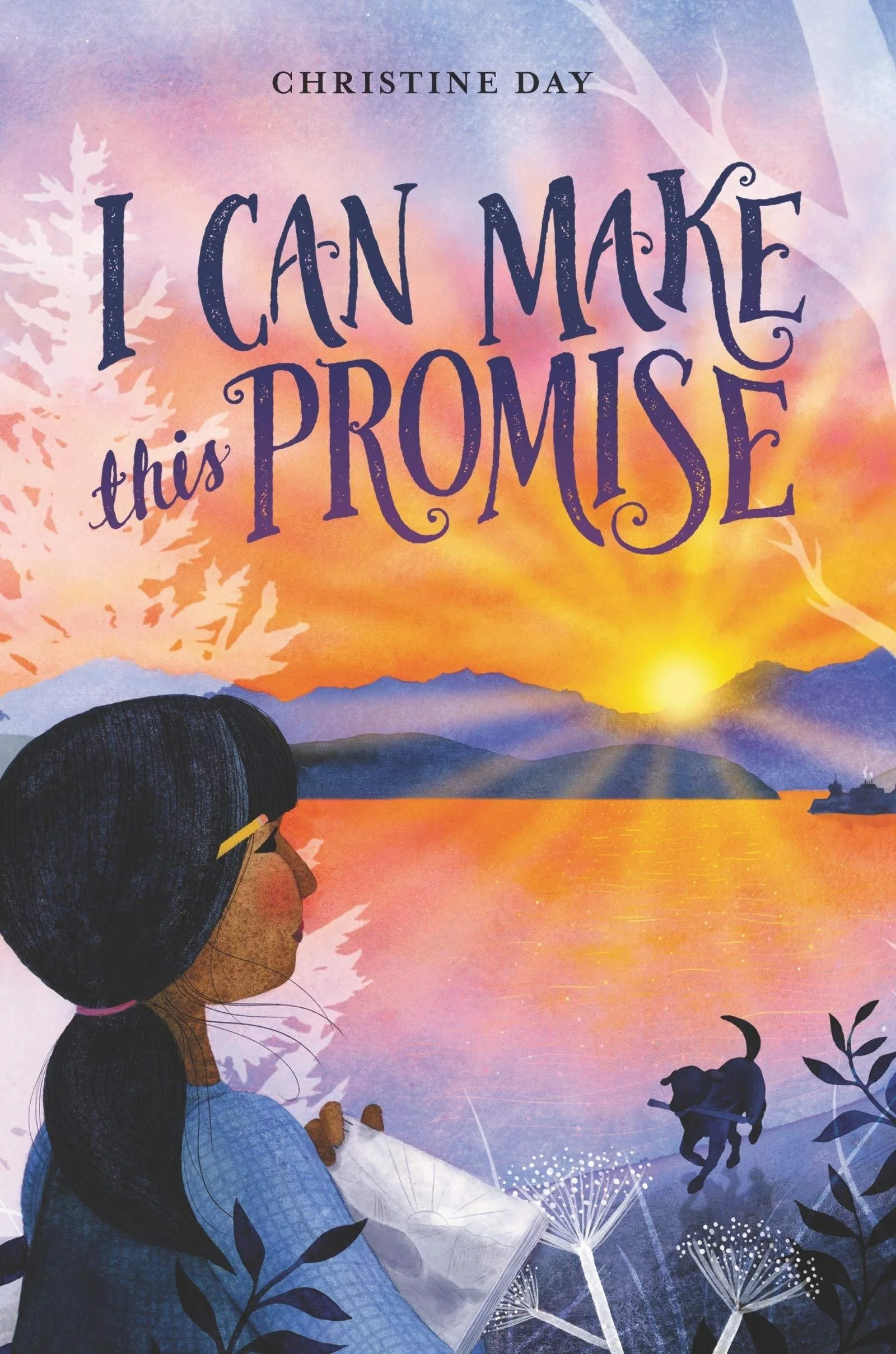
I Can Make This Promise by Christine Day
Grades: 3–7 | Middle-grade fiction
When twelve-year-old Edie discovers old family photographs and letters, she begins asking questions about her Native American heritage and the family history she never knew.
Try it in class: Become a family-history detective! Have students track the clues Edie discovers in the photographs and letters, then use them to piece together what she learns about her family and identity. Students can record their findings with drawings, words, or a simple graphic organizer.
High School: Grades 7–12
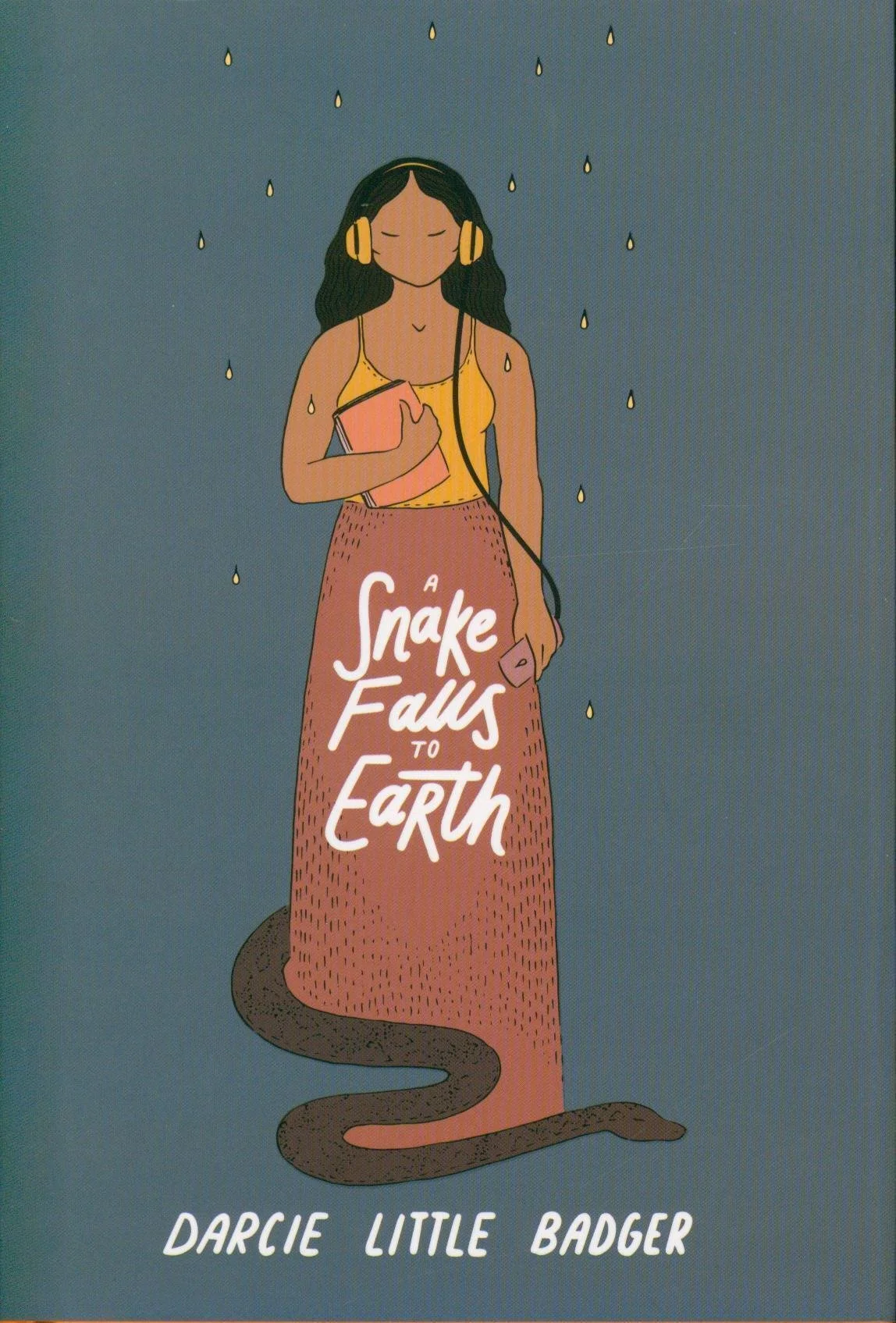
A Snake Falls to Earth by Darcie Little Badger
Grades: 7–12 | Young adult fantasy
A Lipan Apache girl in our world and a young cottonmouth from the land of spirits and monsters find their stories unexpectedly connected.
Try it in class: Create a two-world comparison chart! Have students compare the human world and the world of spirits and monsters, looking at the characters, settings, challenges, and connections between the two storylines. Students can use a Venn diagram, drawings, or written responses to show how the worlds overlap and how Lipan Apache storytelling influences the fantasy elements.
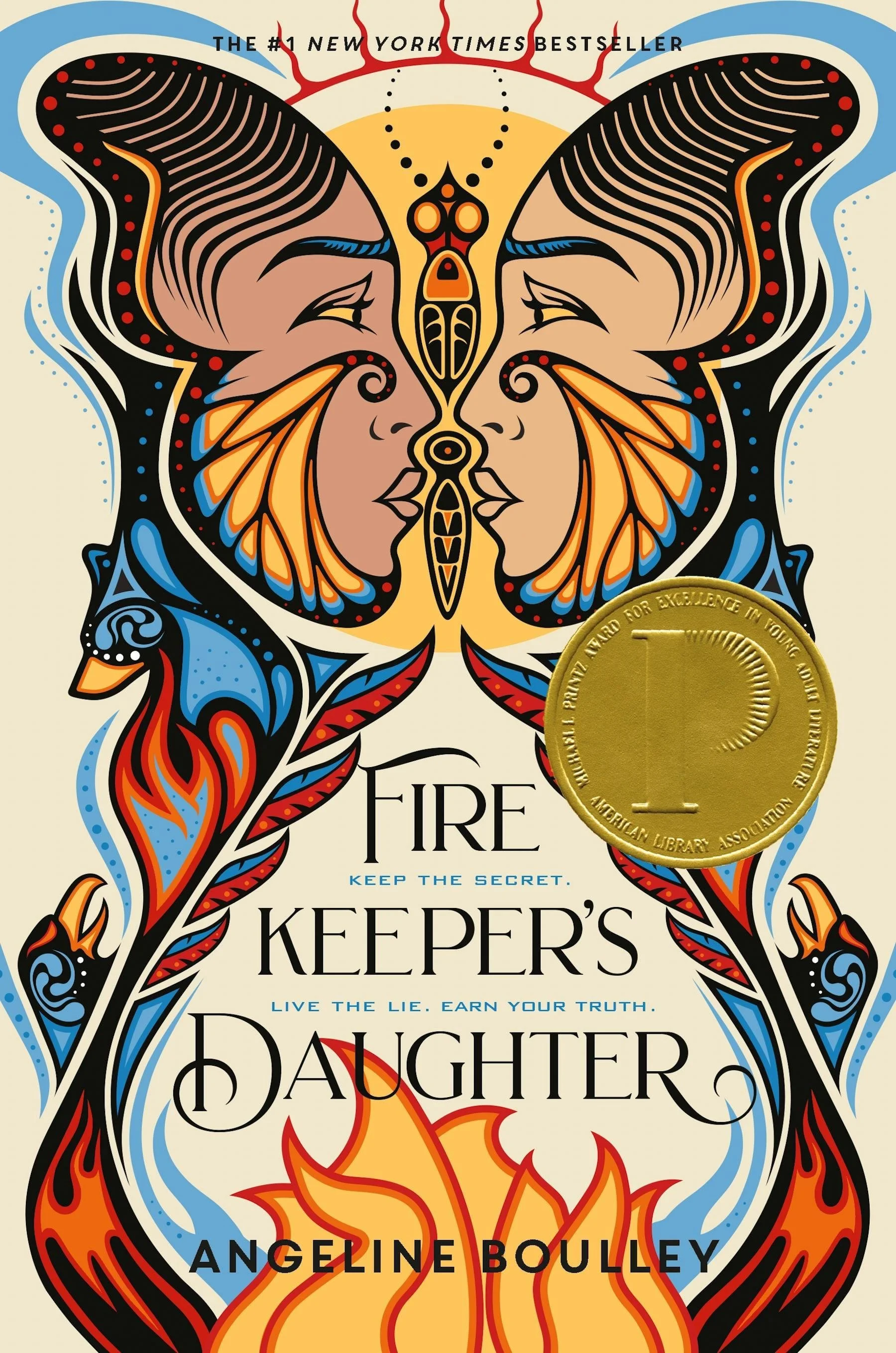
Firekeeper's Daughter by Angeline Boulley
Grades: 9–12 | Young adult thriller
An Anishinaabe teenager gets caught up in a dangerous investigation that tests her loyalties, relationships, and connection to her community.
Try it in class: Consider this for an older student book club or literature unit focused on identity, community, and difficult decisions. Teacher note: Preview the mature content before assigning; the book includes drug abuse, murder, sexual assault, and violence.
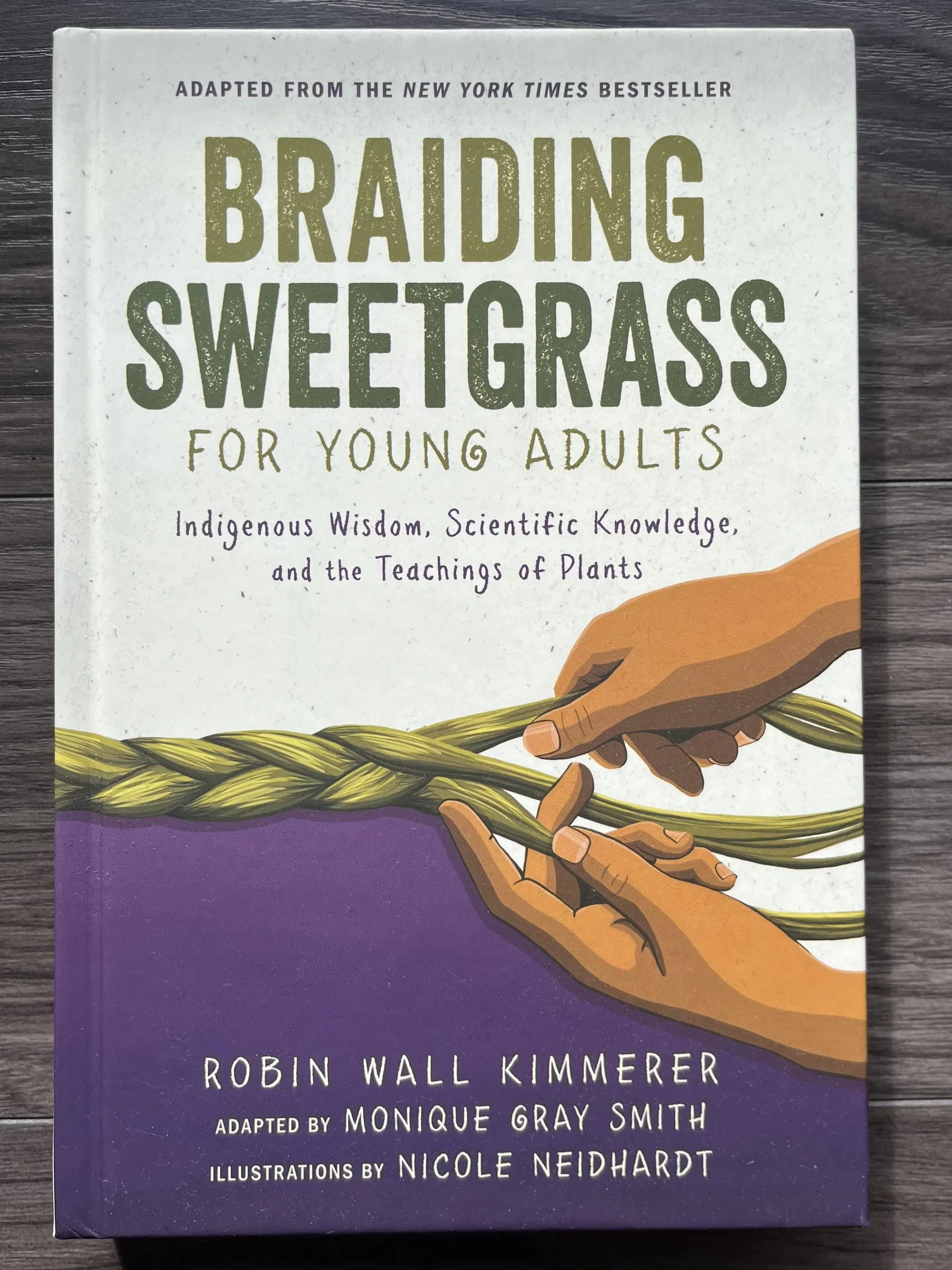
Braiding Sweetgrass for Young Adults by Robin Wall Kimmerer, adapted by Monique Gray Smith, illustrated by Nicole Neidhardt
Grades: 7–12 | Young adult nonfiction
An adaptation exploring Indigenous knowledge, science, plants, and our relationship with the natural world through engaging stories and reflections.
Try it in class: Take learning outdoors! Have students observe a plant, tree, or other part of the natural environment and reflect on how people depend on and care for it. Connect their observations to an excerpt from the book, then invite students to share one new perspective or way they can show gratitude for the natural world. This creates a meaningful connection between Indigenous knowledge, science, and environmental stewardship.
Teaching with Native American Books: Resources for Educators
1. Smithsonian National Museum of the American Indian: Native Knowledge 360°
This educator guide includes a worksheet for evaluating children's books using five criteria: authority, accurate representation, tribal specificity, language, and contemporary life.
Best for: Teachers and parents who want to evaluate books before adding them to a classroom or home library.
Native Knowledge 360°+1
2. American Indians in Children's Literature (AICL)
Created by Dr. Debbie Reese, this resource offers book reviews, critical analysis, and guidance for identifying stereotypes and inaccurate representations in children's and young adult literature.
Best for: Teachers, librarians, and parents looking for thoughtful reviews and a Native perspective when choosing books.
Colorín Colorado+1
3. Colorín Colorado: American Indian/Alaska Native Heritage Booklists
American Indian/Alaska Native Heritage: Booklists and Resources
This collection features children's and young adult booklists organized by topics and grade levels, along with guidance for choosing culturally appropriate books and incorporating Native perspectives throughout the school year.
Best for: Teachers and parents looking for age-appropriate reading recommendations and practical selection tips.
Colorín Colorado+1
4. American Indian Library Association: American Indian Youth Literature Awards
Presented every two years, these awards recognize outstanding writing and illustrations by Native and Indigenous authors and illustrators. Categories include picture books, middle-grade books, and young adult literature.
Best for: Parents, teachers, and librarians looking for award-winning Native-authored books across age groups.
3 Quick Wins for Making Native American Read-Alouds More Accessible
The books in this round-up introduce students to new vocabulary, cultural traditions, historical experiences, and perspectives from Native communities. A few simple supports can help more students connect with these stories and participate in meaningful ways.
1. Preview Important Words and Concepts: Choose 2–3 words, names, or concepts students may be unfamiliar with. Introduce them using picture cards, simple definitions, maps, or real-life examples before reading. This is especially helpful when exploring tribal names, cultural traditions, or unfamiliar settings.
2. Make Stories Easier to Follow: Use illustrations, visual supports, and brief pauses to help students follow the story and process new information. Flexible seating, movement breaks, fidgets, or an audiobook can also help students stay comfortable and engaged.
3. Offer Different Ways to Share Ideas: Give students more than one way to respond to questions and connect with a story. Try picture choices, yes/no cards, pointing, drawing, writing, verbal responses, or AAC so students can share their thoughts in a way that works for them.
Frequently Asked Questions About Native American Books & Inclusive Read-Alouds
Why is it important to include Native American books in the classroom?
Native American books help students learn about Indigenous histories, cultures, and contemporary experiences while introducing perspectives they may not encounter elsewhere. They also give Native students opportunities to see their communities, identities, and experiences represented accurately. Including books by Native authors helps bring authentic voices and perspectives into classroom libraries.
How can teachers make Native American read-alouds more accessible for students with different learning needs?
Start by previewing 2–3 unfamiliar vocabulary words or cultural concepts using picture cards, visuals, or simple explanations. Break longer readings into shorter sections, pause to check for understanding, and use illustrations or graphic organizers to support comprehension. Offer different ways for students to respond, including drawing, pointing, verbal answers, written responses, or AAC.
What should teachers and parents look for when choosing culturally authentic Native American children's books?
Look for books written or illustrated by Native creators, identify the specific Native Nation or community represented, and consider whether the story reflects both historical and contemporary Indigenous experiences. Choose books that avoid stereotypes and recognize that Native American communities have distinct cultures, histories, languages, and traditions. Resources such as the Smithsonian's Native Knowledge 360° can help readers evaluate children's books.
How can teachers adapt chapter books for special education classrooms?
Teachers can make chapter books more accessible by breaking reading assignments into manageable sections, offering audiobooks, previewing important vocabulary, and using visual summaries or graphic organizers. Provide opportunities for students to demonstrate comprehension through drawing, picture choices, discussion, writing, or AAC. The goal is to maintain meaningful grade-level content while offering flexible ways to access and respond to the text.
Wrapping Up: Finding Meaningful Books for Every Learner
Building an inclusive classroom library takes time, but you don't have to do everything at once. Start with one or two books that introduce your students to new perspectives, encourage meaningful conversations, and give everyone an opportunity to participate.
I hope this list gives you a few new ideas for your November reading plans!
Let's Chat! Which book are you most excited to add to your classroom library? Do you have a favorite Native American children's book that I missed? Share it in the comments!
Found this list helpful? Share it with a fellow teacher or save it to Pinterest!